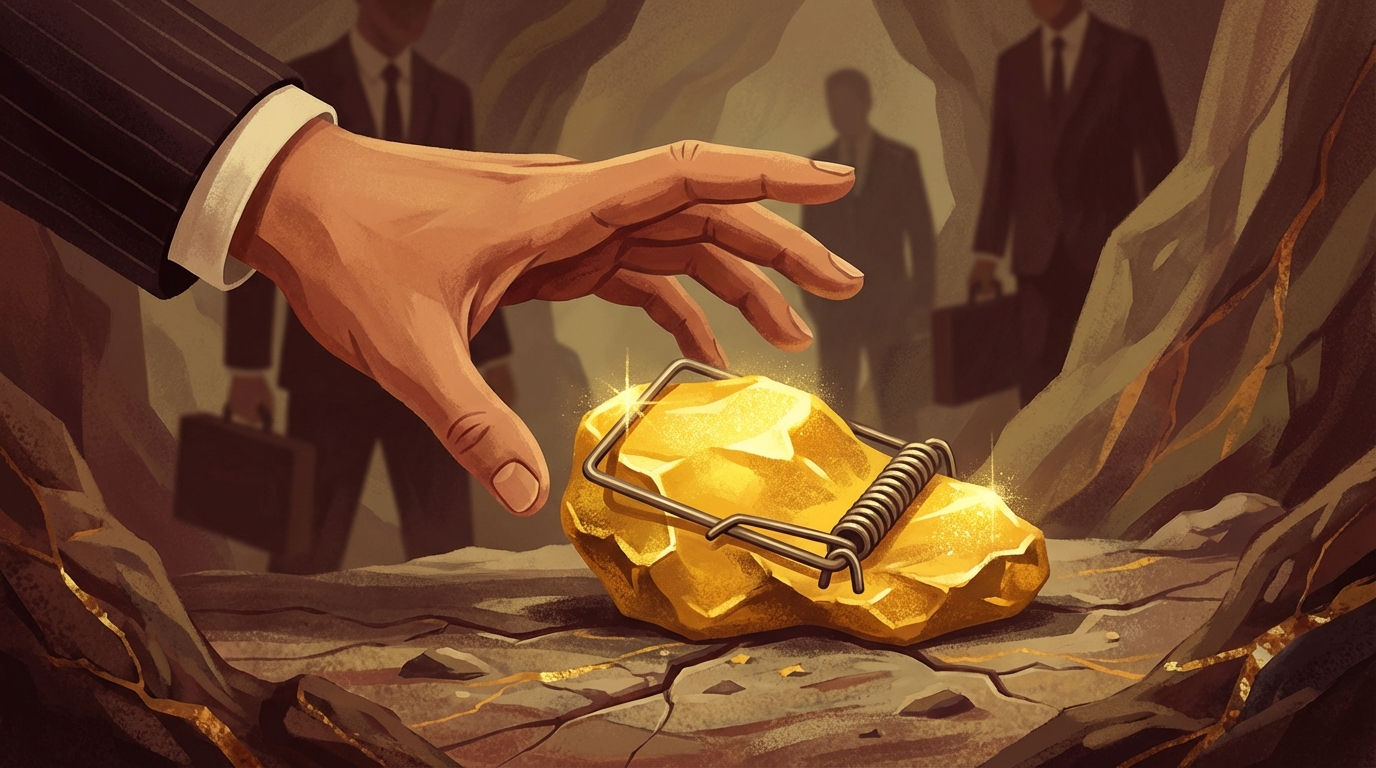
If you own minerals, you’ve probably received letters in the mail offering to buy them. Some are legitimate (like ours), but many are predatory.
Red Flag #1: The “Bank Draft” Trap
If a company sends you a check in the mail that looks real, read the fine print. It’s often a :sight draft. Depositing it might sign away your minerals for a low price, or lock you into a contract while they “evaluate” the title for 90 days.
Never deposit a check without reading the attached agreement.
Red Flag #2: Pressure Tactics
“This offer expires in 24 hours!” Real estate deals take time. Any buyer pressuring you to sign immediately is trying to hide something—usually that their offer is below market value.
A legitimate buyer will give you time to:
- Get a second opinion
- Consult with family
- Have an attorney review the :PSA
Red Flag #3: “Top Leasing”
Some groups will offer to “lease” your minerals on top of an existing lease. This creates a legal mess called a :cloud on title. It doesn’t benefit you—it benefits them if the original lease expires.
Red Flag #4: No Physical Address
Scammers use P.O. boxes and Google Voice numbers. Look them up. Do they have a real office? A website with faces and names? A track record you can verify?
Red Flag #5: The :Flipper
Not technically a scam, but a bad deal. Flippers put your minerals under contract at a low price, then shop that contract to real buyers. By the time you close, they’ve made $20,000 on your asset—money that should have been yours.
How to Protect Yourself
Work with a family office like Double Fraction. We use standard :Purchase and Sale Agreements, Texas-based title companies, and transparent closing processes. We’ll show you our math and explain every step.
:sight-draft
A payment document that looks like a check but functions as a contract. By depositing it, you may be agreeing to sell your minerals at the stated price—often well below market value.
:psa
Purchase and Sale Agreement. The formal contract that outlines the price, closing date, and terms of the sale. It should clearly state who pays closing costs, what warranties you’re making, and what happens if title issues arise.
:cloud-on-title
A legal claim or document that casts doubt on the ownership of a property. Clouds must be resolved before a clean sale can occur—often at significant legal expense.
:flipper
A speculator who puts your minerals under contract with no intention of buying them. They mark up your asset and sell the contract to a real buyer, pocketing the difference. You end up with less money.