We see the same look on people’s faces every April. A mineral owner receives their royalty checks all year, enjoying that “mailbox money,” only to get hit with a tax bill that wipes out a third of it. It’s frustrating because it feels like passive income, but the IRS doesn’t see it that way.
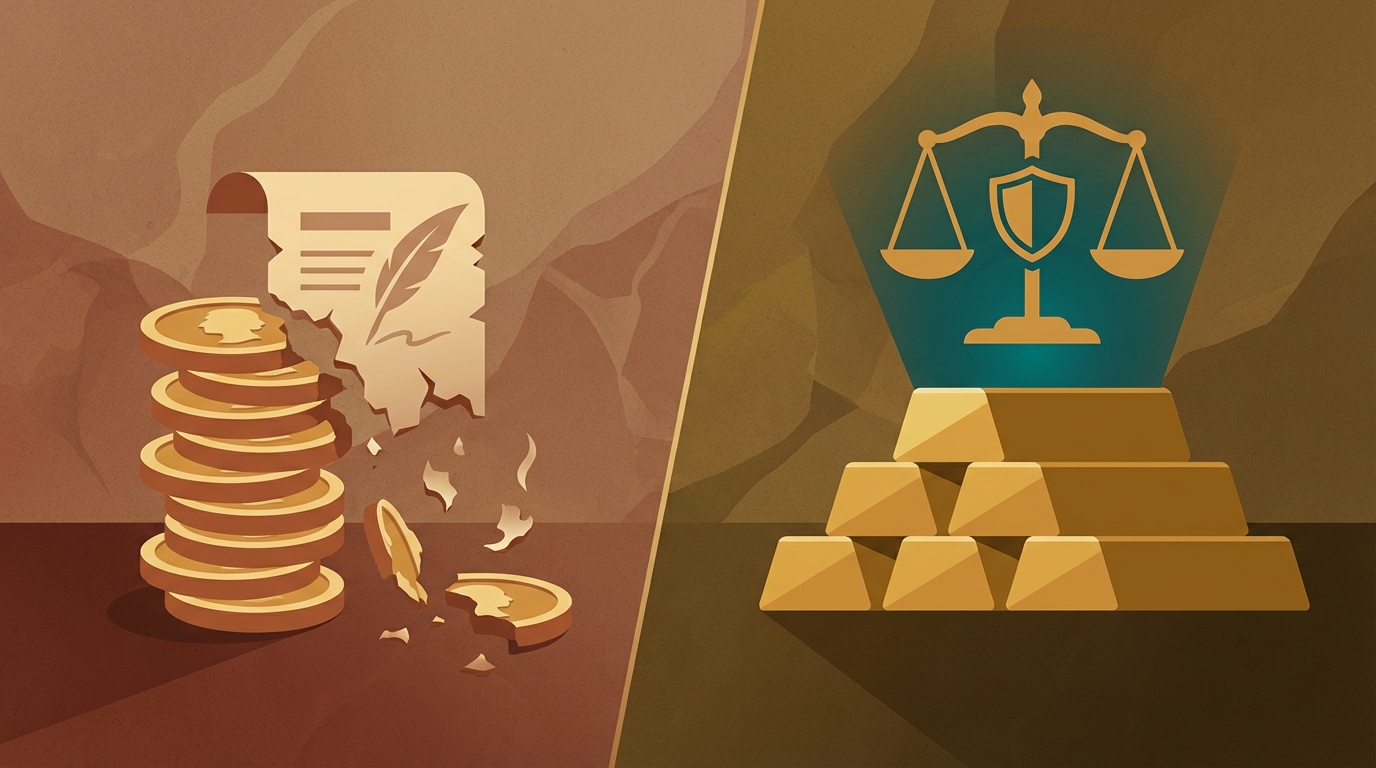
Here is the hard truth about holding minerals: your royalty revenue is taxed as :Ordinary Income. That means every dollar you make from that well is stacked right on top of your salary or retirement income. It’s taxed at your highest marginal bracket. If you have a good year at work and the wells produce well, you could easily lose 30% to 37% of that oil money to the federal government before you even spend a dime.
Selling mineral rights triggers a completely different set of tax rules. If you’ve owned the minerals for more than a year—which is almost always the case for families who inherited them—the proceeds are taxed as :Long-Term Capital Gains.
The math can be startling. Instead of paying up to 37% on that money, you’re looking at rates closer to 15% or 20%. We aren’t accountants, and you should always talk to your CPA, but we see families run these numbers constantly. Sometimes, a lump sum payment ends up putting significantly more cash in your pocket than years of royalty checks simply because you keep a larger piece of the pie.
We don’t tell anyone what to do with their property. Some folks want the monthly income regardless of the tax hit, and that’s fine. But it’s worth sitting down with a calculator to see if holding onto the asset is actually costing you money in the long run. Knowing the after-tax value of your minerals is just part of being a smart owner.
:ordinary-income
This is the same tax classification as your wages, salaries, and interest. It’s taxed at graduated rates that go up as you earn more. Because royalty payments are added to your other earnings, they often push you into a higher tax bracket, taking a bigger bite out of your total income.
:capital-gains
This is the tax applied to the profit when you sell an asset you’ve held for more than a year. The government wants to encourage long-term investment, so these tax rates are significantly lower than ordinary income rates. For inherited minerals, the “cost basis” often resets when you inherit them, which can lower the tax burden even further.