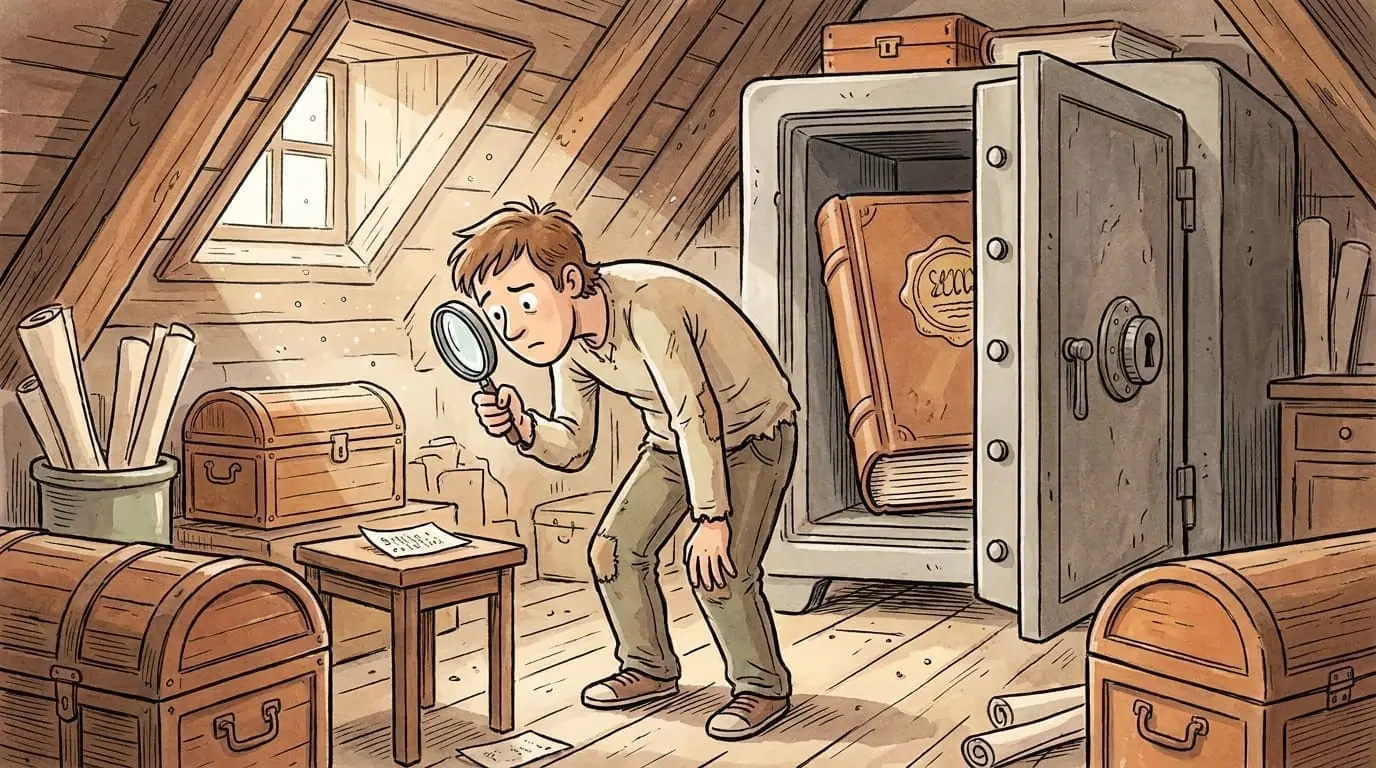
You spend months negotiating the perfect oil and gas lease. You get a great royalty rate, strict limits on deductions, and a rigid :Pugh clause. You sign the paperwork feeling pretty good about the protections you secured for your family land. But here is what usually happens next: the operator does not file your actual lease at the county courthouse. They file a “Memorandum of Lease” instead.
Industry landmen on the Mineral Rights Forum openly discuss why operators do this. It is entirely about hiding your custom terms. If your neighbors see you got a 25% royalty and a strict :depth severance, they will demand the exact same deal. The Memorandum satisfies the legal requirement for :constructive notice—proving to the public that the operator has the right to drill—without airing their concessions in the deed records. That makes perfect business sense for them. But it creates a massive blind spot for your family.
Fast forward a few decades. The property passes to the next generation. Your heirs pull the public deed records to see what they own. What do they find? Just that two-page Memorandum. It says nothing about the strict protections you fought for. If they do not have your original, unrecorded addendum locked in a safe somewhere, they are flying blind. We see this constantly when families try to navigate the probate process. Heirs routinely let operators hold onto un-drilled acreage simply because they have no idea a custom release clause even exists.
Legal guidance from LexisNexis and Texas A&M’s Real Estate Research Center is clear: a custom addendum overrides a pre-printed lease form. But it only protects your estate if your heirs can actually read it and enforce it. If the physical copy of the addendum is lost to time, your kids are stuck relying on whatever boilerplate terms the operator claims are in the master file. Operators almost never volunteer the fine print that eats your check.
Keeping meticulous records is just as important as negotiating the lease in the first place. Your family needs the full, unredacted lease with every custom addendum attached. If tracking down these decades-old documents feels overwhelming, or if you are starting to wonder what your documented rights are actually worth today, it might be time to figure out exactly what you hold. Having all your paperwork in one place gives you clarity. At the very least, knowing your options is worth a conversation.
Build a Lease Record Your Heirs Can Use
Keep the signed lease, every addendum, amendment, ratification, pooling designation, assignment notice and recorded memorandum together. Scan the documents in color and preserve original execution pages. A county index may prove that a memorandum was recorded, but it usually cannot recreate negotiated clauses omitted from the filing.
Create a one-page schedule listing the lessor, lessee, effective date, primary term, extension option, legal description, royalty fraction, shut-in language and any depth or acreage release provision. The schedule is an index, not a substitute for the lease. It helps an executor or successor know which document controls and when a deadline may matter.
Review the county record for later assignments. The operator paying royalties may not be the original lessee, and different formations can be owned by different successors. Save owner-relations contact details and the latest division order, but remember that a division order does not amend title merely because it shows a decimal.
If an addendum conflicts with the printed form, do not paraphrase the result for heirs. Flag the clause and obtain legal advice. Post-production costs, pooling, continuous development, depth severance and shut-in payments can turn on a few words or cross-references.
Estate planning should identify who receives the interest and who may manage it during incapacity or administration. A will or trust does not necessarily update county title or an operator’s pay deck by itself. Successors may need probate documents, recorded conveyances and operator forms.
Do not record a confidential lease or addendum solely to solve an organization problem without legal advice; recording can create privacy and notice consequences. A complete private archive, recorded-document index and instructions identifying the originals preserve the terms without unnecessarily publishing them.
Review the archive after every ownership or operator change. An accurate handoff file is part of the asset’s value because it shortens title work, prevents missed notices and gives successors evidence for enforcing the terms the family negotiated.
:pugh-clause
A lease provision that forces the oil company to release any portions of your land that they aren’t actively drilling or producing from at the end of the primary lease term.
:depth-severance
A clause that limits the oil company’s rights to only the specific geologic depths they have drilled, releasing the deeper or shallower formations back to you so you can lease them again.
:constructive-notice
A legal concept meaning that once a document is recorded in the public county records, the law assumes everyone knows about it, whether they actually read it or not.