Wyoming Split Estates and the Surface Owner Accommodation Act
Why permits and pooled units in the Powder River Basin stall when operators and surface owners clash over access, notices, and bonds.
Legal
Owner research · title · valuation
115 articles filed under Legal.
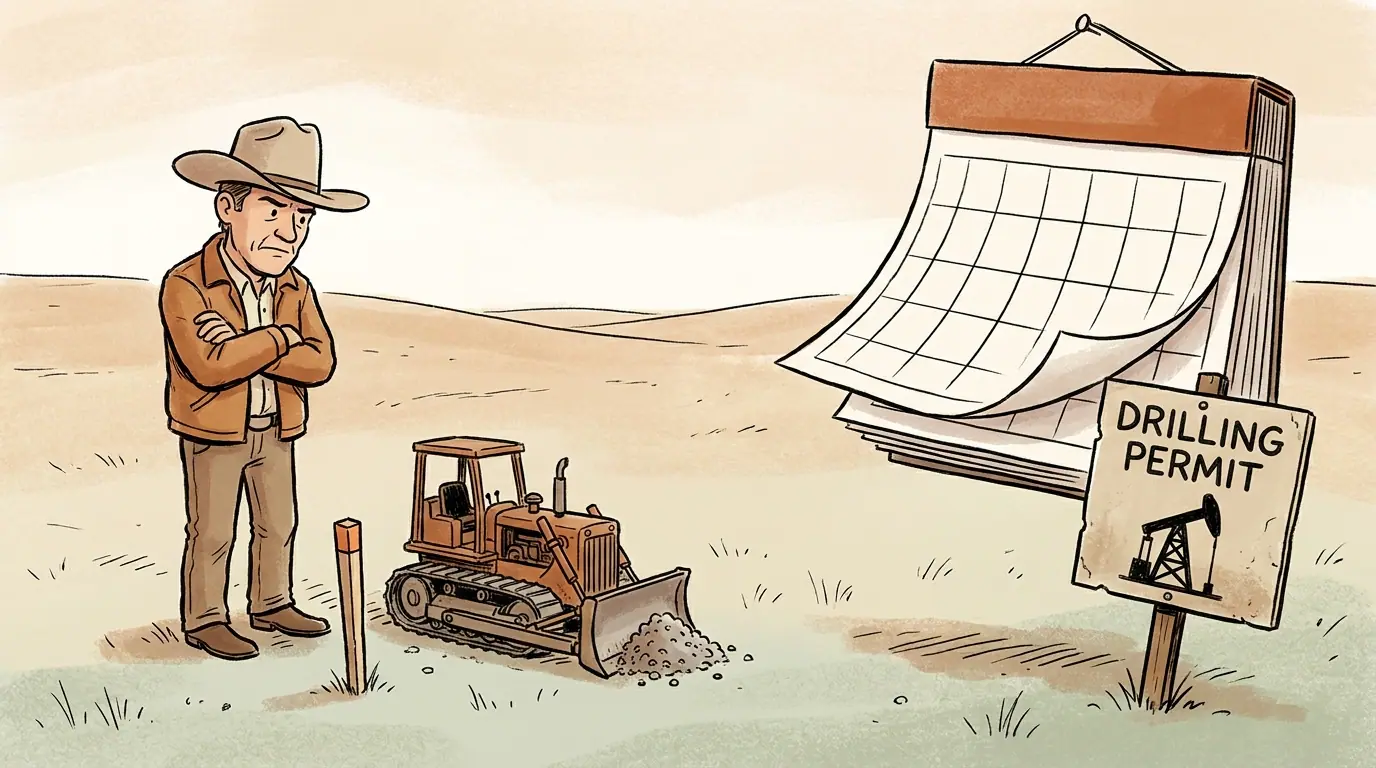
How Texas courts evaluate eleventh-hour dirt work, permits, and lease language when an operator attempts to hold acreage past the primary term.
Why permits and pooled units in the Powder River Basin stall when operators and surface owners clash over access, notices, and bonds.
Many heirs inheriting modern oil and gas leases expect annual delay rental checks. Here is why paid-up leases eliminate those payments and what it means for you.
When a Texas operator makes a division order mistake, you cannot always get a retroactive check. Learn how division order estoppel shifts the risk to you.
Texas law now separates geothermal energy from oil and gas rights. Here is how this new subsurface split affects mineral owners and family estates.
The Third Circuit Court of Appeals recently confirmed that an historic tax sale maneuvering by a surface owner did not erase a family trust's subsurface mineral rights.
A recent Texas appeals court ruling shows how pipeline capacity contracts can reduce your monthly overriding royalty payments.
A signed lease and a bonus check do not prove you own the minerals. We explain the title pipeline and why operators can legally suspend your pay.
A Judgment of Possession collapses decades of Louisiana probate research into a single document. But relying on it without checking the conveyance records is a massive trap.
West Virginia now imposes different penalties for late royalties depending on whether the well is vertical or horizontal. Here is how the two clocks work.
A plain-English guide to North Dakota royalty withholding, post-production deductions, and the hidden costs of owning Bakken minerals out of state.
Expecting a royalty check but got a massive bill instead? Here is the math behind North Dakota's forced pooling laws, JIBs, and the 50% risk penalty.